
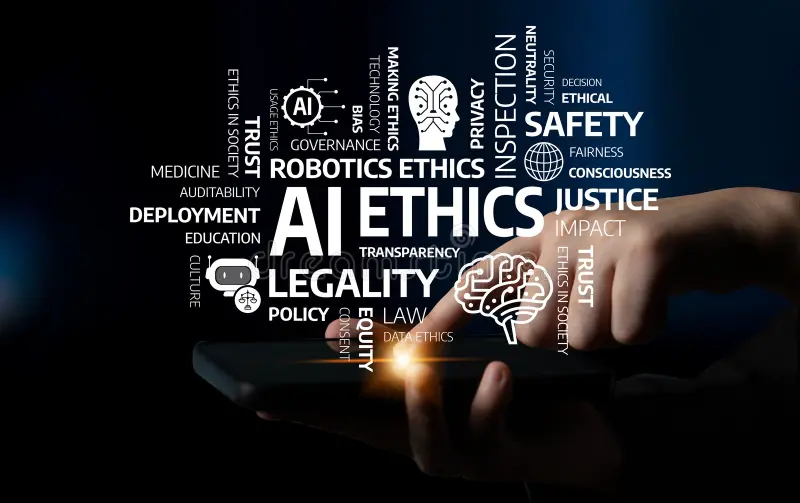
A growing chorus of voices is questioning whether it’s time to slow down the rapid progression of artificial intelligence (AI). The Boston Globe recently explored this critical issue, highlighting concerns from experts about the ethical and societal implications of hastily advancing AI technologies.
As AI applications become increasingly integrated into everyday life, the urgency for regulations and guidelines has surged. Prominent figures in technology and academic fields argue that without deliberate pauses for reflection and regulation, we risk unleashing systems that may act unpredictably or inequitably. The discussion isn’t merely academic; it touches on job displacement, privacy invasions, and potential misuse of AI tools.
However, the challenge lies not just in the technology itself but also in striking a balance between innovation and regulation. Many argue that imposing restrictions could stifle progress and hinder the competitive edge that the tech industry enjoys globally. Stakeholders are calling for collaboration among lawmakers, technologists, and ethicists to ensure that AI evolves in a manner that is beneficial to society as a whole.
- Urgent Need for Regulations: Experts emphasize the importance of ethical guidelines.
- Job Displacement: Automation potentially threatens many traditional employment sectors.
- Potential for Misuse: Without controls, AI tools could be exploited for malicious purposes.
- Balancing Innovation and Safety: The debate centers on fostering advancement without compromising ethical standards.
As the conversation about slowing down AI gains momentum, it will be essential for all parties involved to come together and find common ground, ensuring that innovation does not come at the expense of societal values.